Kathmandu, Nepal
Freedom Children's
Freedom Children's
Welfare Center
From shelter to self-sufficiency — a home that feeds itself.
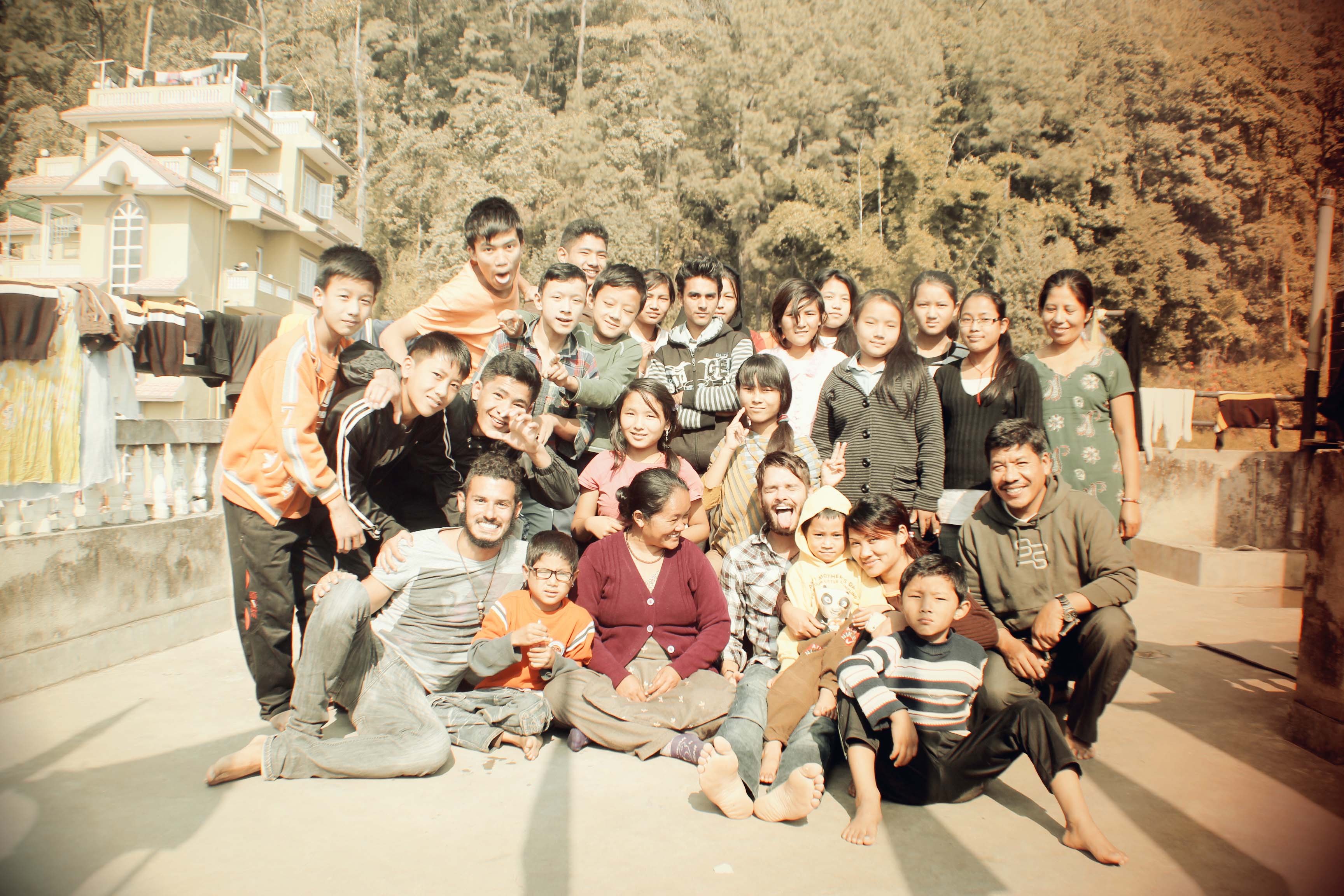
From shelter to self-sufficiency — a home that feeds itself.
In September 2005, Kamala Maya Tamang founded the Freedom Children's Welfare Center in Kathmandu with a single conviction: that every child, regardless of circumstance, deserves safety, nourishment, education, and a future. The children who find their way to FCWC are those for whom no other door was open — orphaned by Nepal's decade-long civil conflict, abandoned to poverty by families who could not survive any other way, excluded by social forces too powerful for any individual to resist.
The centre provides nutrition, education, healthcare, and — crucially — a genuine path to employment and independence. Not a place to wait. A place to prepare. But running a full residential children's home is deeply expensive, and the gap between what's needed and what donations cover is constant and relentless.
Our contribution to FCWC was specific, deliberate, and — we believe — transformative in its simplicity. We funded the lease of a parcel of agricultural land for one year. That was the investment. What the centre did with it changed everything.
The children and staff cultivated the land. They grew vegetables — first to feed everyone in the home. Then more. The surplus was sold at local markets. The income from the sale covered the following year's land rental, without any additional external funding required. The cycle of dependency — "we need donations to survive" — was interrupted. The centre began to feed itself.
An orphanage that grows its own food, funds its own operations, and teaches children the self-reliance and practical skills to do the same. That is not a welfare programme. That is a model. And the children who grew up farming that land — who watched their labour translate into meals and income and independence — learned something that no classroom can teach. That they are capable. That they can build. That their hands have power.
Visit the centre at fcwcnepal.org.
This project is supported in partnership with Silent Voices NGO. Silent Voices works alongside communities to identify the specific interventions that create lasting independence — not ongoing dependency.
Every pound goes directly to the field. No overhead. No middlemen. Just change.